| Feature | What is supported | Planning use |
|---|---|---|
| Motion sensing in wearables | Accelerometers and gyroscopes in smartwatches and dedicated wearables measure linear acceleration and rotational velocity in three dimensions. | Choose a device that stays on the body. Detection relies on the wearer’s own movement data. |
| Fall signature | A true fall typically shows a free-fall acceleration phase, a high-magnitude impact spike, then sustained post-impact stillness. | Ask how the device treats movements that resemble this sequence without being a fall. |
| Automatic detection | Vendor specification: the response center is contacted even if the user cannot press the button. | Prioritize automatic detection for anyone who may be unable to press a button after a fall. |
The sensor descriptions come from the IEEE AgeTech overview of AI-powered fall detection, and the automatic-detection point is a vendor specification from ConnectAmerica.
Fall detection technology uses motion sensors, mainly accelerometers and gyroscopes, to recognize a fall pattern and alert a caregiver or monitoring center. How well it protects someone depends on the device being worn and on a clear response plan.
If you are still weighing wearables in general, our guide to the best health tracker sets fall alerts alongside other wearable features.
What a fall alert changes for households and carers
The main effect of fall detection is that help no longer depends on the person who fell being able to ask for it. A vendor specification from ConnectAmerica states that with automatic fall detection, the response center is contacted even if the user cannot press the button. For someone who might be unable to reach a phone or alarm after a fall, that is the capability to put first.
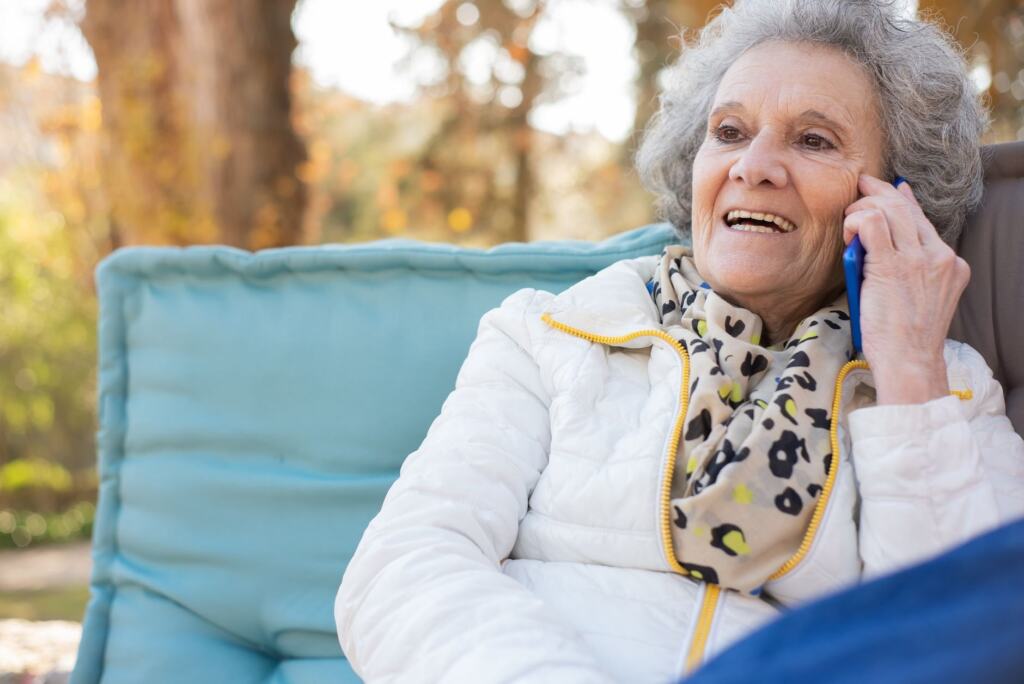
Where the alert goes shapes how a household plans. According to Personal Alarms, a detector that notices a sudden change in movement after a fall sends an alert to a monitoring center or a loved one. In care settings, Sensio describes welfare technology that can passively and automatically notify staff when a fall occurs.
- Decide who is alerted before buying. A family member, a monitoring center and a care team each need different set-up, so the recipient should be agreed first and the device chosen to match.
- Prefer passive operation when buttons are unreliable. A system that notifies automatically removes the step a person in difficulty is least likely to manage.
- Treat the alert as the start of a response. Someone has to read it, call back or send help, so a device without a named responder only moves the problem.
Choosing between watches, pendants and room sensors
No single device is best for every senior, and the supported evidence points to matching the device to daily habits. The useful question is which option the person will actually keep using, since every approach below depends on being active at the moment of a fall.
- Smartwatch. A watch with fall detection, such as an Apple Watch, suits someone who already wears a watch every day. Smartwatches carry the accelerometers and gyroscopes that measure movement, so no separate gadget is needed. It is a weaker fit for anyone who removes a watch at night or in the bath.
- Pendant. The vendor describes its SureSafe Fall Alert as lightweight, discreet and showerproof, which suits people who dislike wrist devices or want cover in the bathroom. These are manufacturer descriptions, so confirm them against the model you are buying.
- Medical alert system. A system with a response center and automatic fall detection suits people who want a trained team to receive the alert rather than relatives. It trades the simplicity of a watch for a service arrangement.
- Wall-mounted room sensors. Sensio describes units such as RoomMate and Buddy that are screwed onto the wall and monitor dangerous situations in the room. They suit care settings or homes where the person cannot be relied on to wear anything, and they cover the rooms where they are installed.
Smartwatch shoppers often compare other functions too. Our guide How To Change Time On Your Smartwatch: Simple Steps For Any Model (2026) – Bioconnected covers everyday set-up, while Smartwatches That Measure Blood Pressure: The Practical Guide To Accurate Readings In 2026 – Bioconnected looks at a different health feature on the same kind of device.

Care networks and response plans
A detection device is only half of a safety arrangement, because the alert must reach a person who can act. In the setting described by Sensio, an alarm is sent to the care worker’s mobile phone and to a monitor in the nurses’ station. That routing means staff learn of a fall without the resident doing anything.
Home arrangements follow the same logic with different recipients. Personal Alarms notes that the alert can go to a monitoring center or a loved one. Choosing between them is a judgement about availability and confidence.
- Family or friends as recipients. This works when at least one person is reliably reachable and willing to respond. It is cheaper in set-up but depends on phones being on and answered.
- A monitoring center as recipient. This suits households where relatives live far away or work shifts, since the center is built to receive alerts. Check what it does next, for example whom it calls.
- Care staff as recipients. In residential or supported settings, routing to staff phones and a central monitor keeps the response inside the team already responsible.
Whoever is on the list should know what an alert looks like and what they are expected to do, and the contact details should be reviewed whenever circumstances change.
How fall detection works
Fall detection works by turning body movement into numbers and testing those numbers against what a fall looks like. The sensing hardware is small enough to sit in a watch or pendant, and the judgement is made by software.
Sensors that capture movement
Personal Alarms explains that fall detectors usually include an accelerometer, a component that measures acceleration. The IEEE AgeTech overview adds that accelerometers and gyroscopes in smartwatches and dedicated wearables measure linear acceleration and rotational velocity in three dimensions, at sampling rates sufficient for fall dynamics. In plain terms, the accelerometer registers how fast the body speeds up or stops, and the gyroscope registers how it turns.
Pattern recognition and the alert
The same IEEE source describes a true fall as typically showing a distinct three-phase signature: a rapid free-fall acceleration phase, a high-magnitude impact spike, and then sustained post-impact stillness. Software compares incoming movement with that sequence. When it matches, the accelerometer’s detection of a sudden change in movement leads to an alert sent to a monitoring center or loved one, as Personal Alarms describes it.
Room-based systems use different hardware to reach the same end. The wall-mounted units described by Sensio create an anonymized image of the room and monitor it, and an alarm then goes to the care team.
Limits to plan around
A fall detector is an aid, not a guarantee, and the evidence points to a few conditions worth planning for.
- It must be worn to work. Wearable sensors measure the wearer’s own movement, so a watch or pendant left on a bedside table detects nothing. Choose a form the person will keep on.
- The fall pattern is typical, not universal. IEEE describes the three-phase signature as typical of a true fall. Real falls vary, so keep another way to call for help within reach, such as a phone carried or a button within easy reach.
- Room sensors cover only their rooms. A wall-mounted unit watches the space where it is installed, so it suits a person who spends most of the day in those rooms and does not replace a wearable outdoors.
- Vendor descriptions are claims to test. Features such as showerproofing or automatic response center contact come from manufacturers. Try the device in the real home and ask how alerts are routed before relying on it.
Frequently asked questions
Which consumer smartwatch was first authorized for fall detection?
According to the IEEE AgeTech overview, the Apple Watch Series 4 was the first commercially available consumer wearable to receive FDA authorization for fall detection. Authorization of a model does not make it the right fit for every person, so wear patterns still matter.
Are medical alert systems the same as personal emergency response systems?
Yes. ConnectAmerica says personal emergency response systems (PERS) are also known as medical alert systems and provide continuous in-home and mobile monitoring.
Do room sensors record identifiable images?
Sensio describes its wall-mounted RoomMate and Buddy units as creating an anonymized image of the room. Ask the provider for the specifics of any system you are considering.
Can a caregiver be alerted without the wearer doing anything?
Yes, where the system is set up for it. Sensio describes welfare technology that can passively and automatically notify in the event of falls, with the alarm going to the care worker’s mobile phone and the nurses’ station monitor.