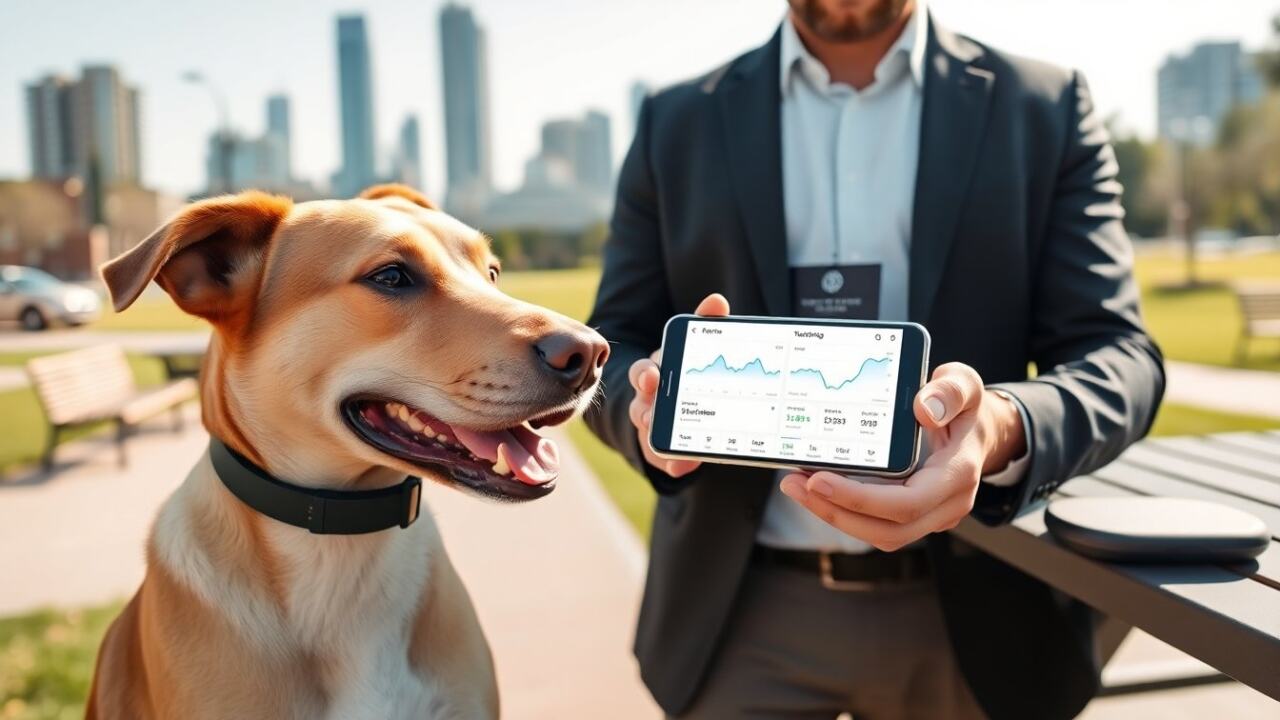
Dog fitness tracker gives owners real data about a dog’s activity and health. It records steps, rest, heart rate, and location. The device sends data to an app on a phone. Owners check trends and adjust walks, food, or vet care. This article explains how these trackers work and how owners pick and use one in 2026. Below we expand on the sensors and connectivity, practical benefits beyond basic step counts, and the everyday fit and durability considerations that matter for long-term use.
Key Takeaways
- A dog fitness tracker uses sensors like accelerometers and heart-rate monitors to provide detailed insights into your dog’s activity and health.
- Tracking daily steps, rest, heart rate, and GPS location helps owners monitor behavior changes and manage their dog’s weight effectively.
- The data from the dog fitness tracker syncs to a smartphone app where owners can set alerts, view trends, and share information with veterinarians for improved care.
- Choosing the right dog fitness tracker involves ensuring a comfortable, secure fit and durability with appropriate water and dust resistance for your dog’s lifestyle.
- Compatibility with phone apps and other devices, along with good customer support, are essential for a seamless and reliable dog fitness tracker experience.
- Regularly reviewing long-term trends, not just daily totals, helps catch subtle health or behavior changes early.
How Dog Fitness Trackers Work: Sensors, Data, And Connectivity
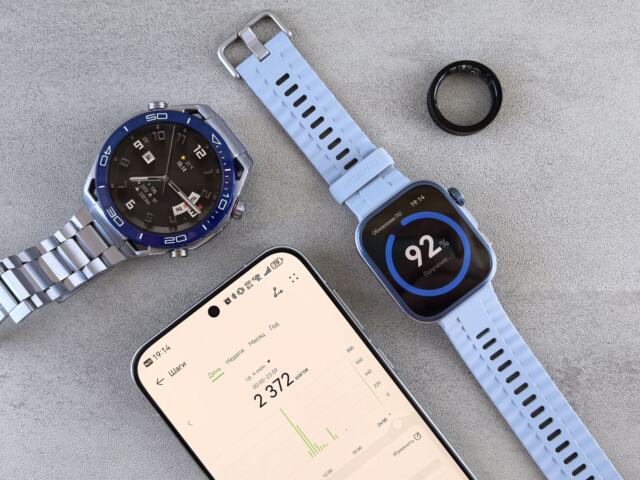
A dog fitness tracker uses small sensors to record motion and physiology. An accelerometer measures steps and movement. A gyroscope records orientation and sudden falls. Some devices include optical heart-rate sensors that read blood flow at the skin. The tracker stores raw data and then sends it to an app by Bluetooth or cellular link. The app processes data into daily totals, activity minutes, and sleep patterns. The app also maps GPS location when the tracker includes a location chip. Owners view charts and set alerts for low activity or long rest. The tracker charges by USB or wireless pad. Battery life varies by sensor use and connection type. Devices with continuous GPS use more battery than those with periodic checks.
Behind the simple charts, the device firmware and app apply filters and algorithms to distinguish walking from running, play from pacing, and rest from sleep. Many trackers use time-of-day patterns, collar/wear position, and machine-learning models trained on labeled activity to improve accuracy. Connectivity choices affect how and when data arrives: Bluetooth is common for daily syncing within range, while LTE-equipped collars can stream real-time location and alerts when away from the owner. For privacy, reputable makers provide options to control location sharing and data retention in the app settings.
Maintenance is part of how these systems work in practice: keeping the tracker charged, updating firmware, and periodically checking strap wear ensures reliable sensor contact and data quality. Owners should also be aware of environmental limits—extreme cold or heavy mud can briefly affect sensor readings or wireless performance—so interpreting a sudden data gap usually starts with a quick physical check of the device and mount.
Top Benefits: Health Monitoring, Weight Management, And Behavior Insights
A dog fitness tracker gives owners objective health signals. It shows changes in daily activity that may indicate pain or illness. It records how many minutes the dog runs, walks, and rests each day. Owners compare activity to breed and age norms in the app. The tracker helps with weight management by tracking calories burned and activity totals. Owners pair activity data with portion control to manage weight. The device also reveals behavior shifts. It notes increased pacing, reduced play, or restless nights. Owners use those insights to adjust training, schedule, or vet visits. Many apps let owners share data with a veterinarian. That sharing speeds diagnosis when a vet needs objective trends rather than memory.
Beyond individual alerts, long-term trend data can reveal gradual declines in mobility, early signs of arthritis, or the subtle effects of medication changes. For behavioral work, activity tags and location heat maps can show where a dog spends most of its time at home, whether they separate from the owner during the day, or if anxiety is linked to specific times. For multi-dog households, comparative activity profiles help tailor exercise plans so each dog meets its own needs without over- or under-exercising.
Practical benefits also include safety and convenience: GPS-enabled trackers reduce the time to locate a lost dog, geofencing can notify owners when a dog leaves a safe area, and scheduled reminders in the app help maintain consistent feeding, medication, and exercise routines. The combination of objective data and easier communication with vets supports preventive care—catching problems earlier, reducing emergency visits, and enabling more targeted treatment plans.
Choosing And Using A Tracker: Fit, Durability, And Compatibility
An owner should check fit first. The tracker must sit snug on the collar or harness without rubbing the dog’s skin. It must not hang loose or block the dog’s movement. The device must resist water and dust to match the dog’s activities. Owners look for an IP rating that suits swimming or rough play. The tracker should survive leash tugs, mud, and drops. Owners also check app compatibility. The app must run on common phone systems and update data reliably. Owners confirm the tracker pairs with other devices, like smart scales or third-party vet apps. A good warranty and clear return policy matter. Owners prefer easy setup steps and clear customer support if pairing fails.
When assessing fit, try different mounting positions—on the collar, a harness D-ring, or a dedicated strap—because sensor placement affects step counting and sleep detection. For small breeds and puppies, size and weight of the tracker are especially important; even a small device can alter gait if improperly placed. Durable clips or screw-in housings often last longer than simple snap-on mounts, and replaceable straps reduce long-term cost.
Check battery and subscription trade-offs before buying: some trackers include connectivity and advanced features in the purchase price, while others require a monthly plan for LTE tracking, cloud features, or veterinary integrations. Evaluate the manufacturer’s software update history and community resources—active development and responsive support reduce the chance a device becomes obsolete. Finally, test the tracker for a few weeks with attention to real-world use: confirm alert thresholds make sense, the app’s activity categories match what you observe, and exported or sharable reports meet your vet’s needs. Proper setup and regular review of the data turn a dog fitness tracker from a gadget into a useful tool for daily care and long-term health planning.