| Smartwatch element | What it does | Planning use |
|---|---|---|
| Optical heart-rate sensor | Green LEDs detect blood volume changes using photoplethysmography | Wear the strap snug. Treat the output as a fitness trend, not a diagnosis. |
| Accelerometer | Detects walking, running or resting; combined with the heart rate monitor and your height, weight and age to estimate energy expenditure | Enter your profile accurately, because the estimate depends on it. |
| GPS | Tracks location for runs and bike rides; built in on the Galaxy Watch7 and Galaxy Watch Ultra | Check for built-in GPS if you want routes recorded by the watch itself. |
| Bluetooth and 4G | Bluetooth links to the phone within range; out of range (approximately 10 metres), 4G models use mobile data | Phone-free use needs a 4G-enabled model. |
| Battery | Typical capacity is 300 mAh (40mm), 425 mAh (44mm) and 590 mAh (Galaxy Watch Ultra) | Capacity is not runtime, so compare it only as a rough size indicator. |
The figures above come from Samsung’s smartwatch buying guide, and the optical-sensor guidance from a wearable sensor shopping guide.
How does a smartwatch work? It pairs sensors for light, motion and location with a processor and wireless links, then turns raw signals into wellness estimates, not medical diagnoses.
Heart rate is the sensor readers ask about first, and the hub page on how do smartwatches measure heart rate places it in the wider science of wearable sensing. This guide starts with what the hardware means for your decisions, then opens the case.
What the readings mean in daily use
Smartwatch health numbers are best read as trends from light and motion sensors, and a handful of wearing conditions decide how far a single reading can be trusted.
Fit, skin and temperature
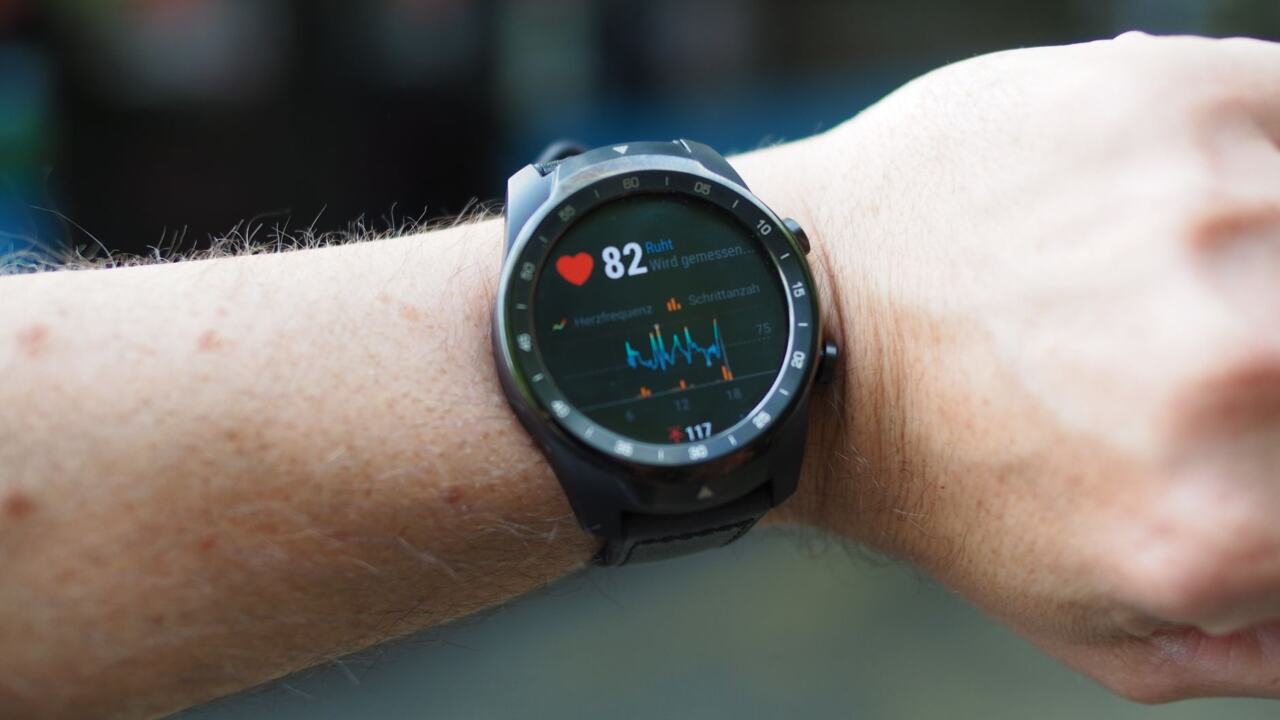
The optical heart-rate sensor shines green light into the skin and watches how it changes with blood volume. Anything that interferes with that light weakens the signal. These are the conditions that matter most:
- Strap fit. A snug fit is critical. According to the wearable sensor guide, loose straps cause motion artifacts that lead to significant data gaps or errors. If a workout trace has holes in it, check the strap before blaming the watch.
- Tattoos. Dark ink absorbs the green light before it reaches blood vessels, so a watch sitting over heavy ink has less signal to work with.
- Cold. Vasoconstriction reduces blood flow near the skin surface. A reading taken on a cold wrist deserves less trust than one taken warm.
- Skin pigmentation. Higher melanin levels absorb more light, which may reduce the signal-to-noise ratio. The effect is a possibility to keep in mind, not a guaranteed error.
Trends, not diagnoses
Photoplethysmography, the optical method behind wrist heart rate, is excellent for fitness trends but lacks the instantaneous precision of medical-grade ECG diagnostics. The same guide states that wearable biosensors are not medical devices. In practice, that means using the watch to see whether your resting pattern or workout effort is drifting over weeks, and taking any worrying reading to a clinician rather than acting on the watch alone.
A device built around one health measurement works differently from a general-purpose wrist computer. How Continuous Glucose Monitors Work: A Clear, Practical Guide For 2026 – Bioconnected explains that single-purpose approach for comparison.
Energy and activity estimates
Samsung explains that its watches use an accelerometer and a built-in heart rate monitor to estimate how much energy you spend, together with your height, weight and age. Calorie figures are therefore estimates built on the profile you enter. A wrong weight or age shifts every number downstream, so correct the profile before comparing days.
Phone range, GPS and battery choices
Three hardware choices change what a smartwatch can do away from your phone: the radio type, the location chip and the battery size.
- Phone-free use. Bluetooth carries data to your phone within range. According to Samsung, only 4G-enabled Galaxy models switch to mobile data when the watch is out of range, approximately 10 metres away. If you want calls or messages without your phone nearby, a Bluetooth-only model will not do it.
- Location tracking. Built-in GPS is what records a running route from the wrist. Samsung lists it on the Galaxy Watch7 and Galaxy Watch Ultra. Runners and cyclists who want a route log without carrying a phone should look for it in the specification.
- Battery size. Samsung’s typical capacities are 300 mAh for the 40mm Galaxy Watch7 and 425 mAh for the 44mm, with 590 mAh on the Galaxy Watch Ultra. The larger case holds the larger cell. The table gives capacity, not hours of use, so look for the maker’s runtime figure under your own feature settings before treating a bigger number as a longer day.
A larger watch suits someone who wants the biggest battery and does not mind the bulk. A smaller one suits slimmer wrists, and its runtime is worth checking carefully against the features you will switch on.
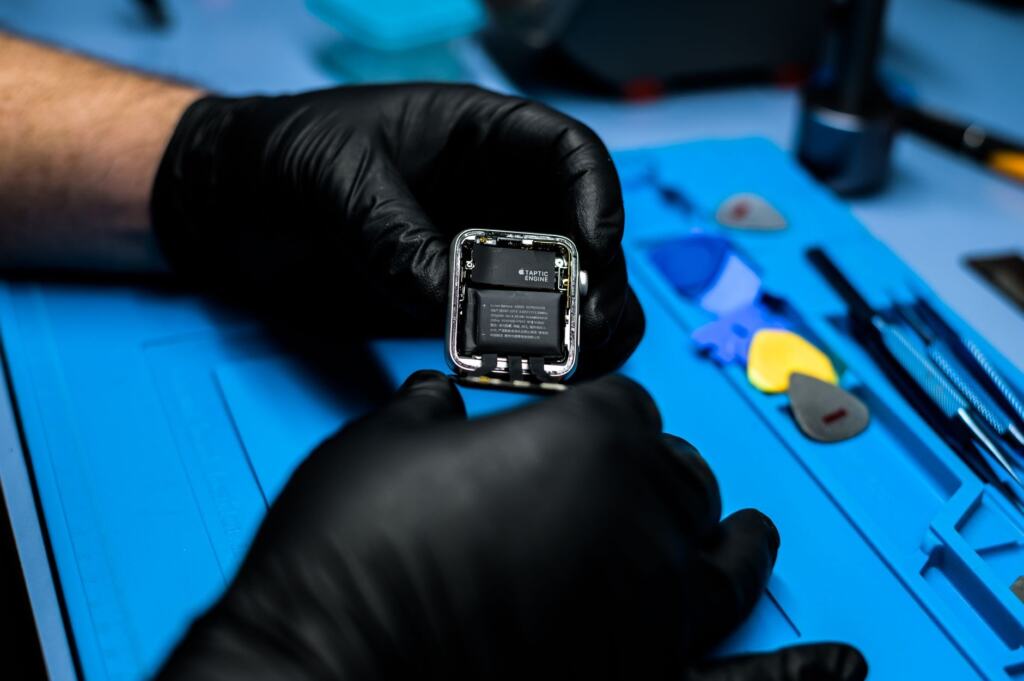
Inside the case
Any wearable is, in the broad definition used in introductory course material on wearables, an electronic device designed to be worn on the body, and its core jobs are sensing, processing, storing and transmitting. A smartwatch packs each job into a few components.
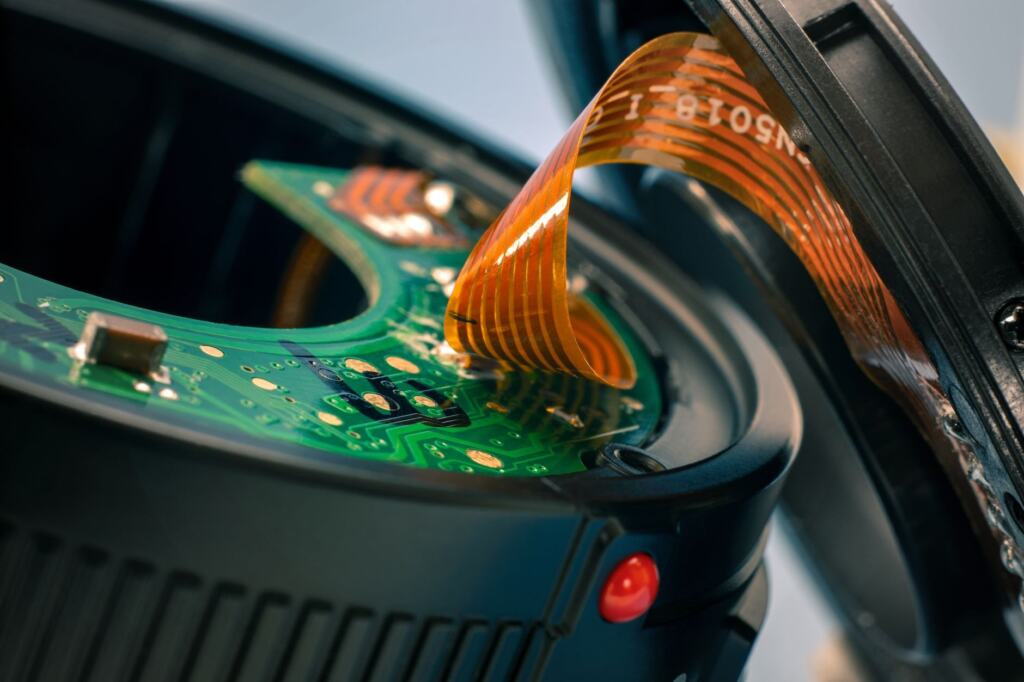
- Processor. A retailer’s technology breakdown calls the processor the heart of every smartwatch. It handles animations and app performance.
- Memory and storage. These hold the operating system, apps and the data the sensors produce until it is sent on.
- Sensors. Samsung’s Galaxy Watch specification lists an accelerometer, barometer, ambient light sensor, compass, gyro sensor and temperature sensor, alongside the optical heart-rate sensor.
- Radios. Bluetooth links the watch to a phone, and only Galaxy smartwatches with mobile data support can use it when the phone is out of range.
- Battery. A small cell, sized to the case, powers everything above.
Because sensors, chip and battery compete for the same tiny volume, every feature is a trade-off. That is why the processor sits at the centre of the design and why the sensors, covered next, are chosen to do the most with the least.
How sensor signals become metrics
Each metric on a smartwatch starts as a raw physical signal that software filters into a number you can read.
Photoplethysmography for pulse
Optical light sensors track your pulse. The mechanism, according to the wearable sensor guide, is that green LEDs detect blood volume changes through photoplethysmography, or PPG. Each heartbeat changes the amount of blood under the sensor, and the watch converts that rhythm into beats per minute. The fit, ink, cold and pigment effects described earlier all act on this one light path. For a fuller walkthrough of the principle, see how do how do optical heart rate sensors work.
Accelerometer for movement
The accelerometer tracks movement and can distinguish walking, running and resting, as the technology breakdown puts it. Its output feeds both activity classification and the energy estimate, which is why the same watch can report a rest period and a run from the same wrist motion data. The gyro sensor and compass listed by Samsung add orientation and direction to that picture.
GPS for location
GPS tracks your location and helps record runs and bike rides. It supplies the position data that the other sensors cannot, which is why it is the feature to check first for route-based training.
Health tracking as a whole
Putting these together answers how a smartwatch tracks health: sensors collect light, motion and location signals, the processor turns them into estimates, and the app presents them alongside your profile. Samsung describes its Galaxy smartwatches as offering advanced health and fitness tracking to help you lead a healthier lifestyle. The sensors measure, and the software interprets. Judge the result as a guide to your own patterns.
Frequently asked questions
How many activities can a Galaxy smartwatch track?
Samsung says Samsung Health with the BioActive Sensor supports up to 90 activities, per its smartwatch buying guide.
How much memory and storage does a smartwatch have?
The Galaxy Watch7 and Galaxy Watch Ultra are listed with 2 GB of memory and 32 GB of storage in Samsung’s specification table.
Does a smartwatch always need its phone nearby?
No. Only 4G-enabled Galaxy models switch to mobile data when out of Bluetooth range, according to Samsung, so check the model before relying on it.