| Finding | Training dose and result | Planning use |
|---|---|---|
| Intensity barely changes the size of the gain | Young healthy adults: mean VO2max change of +0.29 l/min at ~60–70% VO2max, +0.26 l/min at ~80–92.5% and +0.35 l/min at ~100–250%. The differences between these tertiles were not significant. | Choose the intensity you can repeat week after week, not the hardest one on offer. |
| Longer hard intervals show the larger gains | A subset of 9 studies with 72 subjects that used longer intervals showed gains of about 0.8–0.9 L/min. | If you do intervals, do not rely only on very short efforts. |
| Continuous endurance work helps, but responses spread widely | Over 20 weeks in sedentary adults, VO2max rose by a mean of ~0.4 L/min (SD >0.2), while 7% gained 0.1 L/min or less. | Expect a range of responses and judge your own trend over many weeks. |
The figures come from a meta-analysis of training intensity in young healthy adults and a PLOS ONE analysis of interval training studies.
Improving VO2 max comes down to regular hard aerobic work and enough weeks to adapt. Intensity matters less than expected for the size of the gain, but individual response varies widely, so judge progress over weeks, not single sessions.
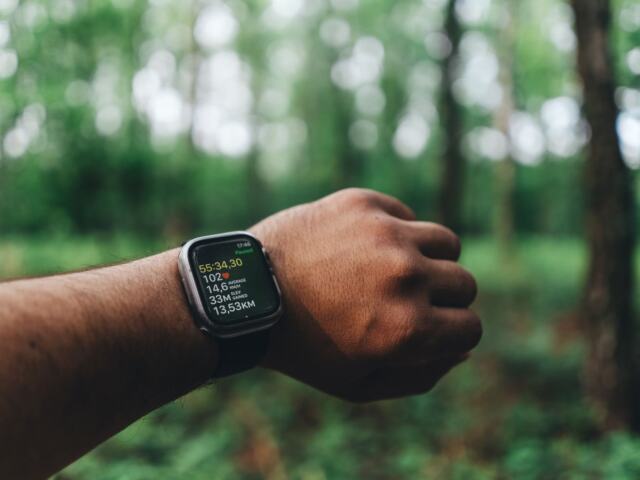
If a watch or ring reports your VO2 max, the sections below connect each training method to the trend you will see. For the basics of how to use a fitness tracker and read its estimates, start with the wider tracking guide.
What the training evidence means for your choices
Intensity is a choice about time and tolerance, not a ceiling on results. A meta-analysis of 28 studies in young healthy adults found that exercise intensity had no effect on the magnitude of training-induced increases in VO2 max, although session dose and volume were lower at higher intensity. Low-dose, high-intensity training produced similar adaptations to higher-dose, lower-intensity endurance training. The practical reading is that no single intensity is required, and the best plan is the one you will actually complete.
- Short on time: Hard intervals reach comparable adaptation from a smaller training dose, so they suit crowded weeks.
- Newer to training or returning after a break: Continuous moderate sessions are a long-established route to a higher VO2 max and suit people who dislike very hard efforts.
- Chasing the largest possible change: Maximal effort is not justified by the averages, because the intensity groups overlap and the differences between them were not significant.
These results come from young healthy adults, so treat them as a guide rather than a promise. If you are older, have cardiovascular risk factors or get unexplained symptoms during exertion, check with a clinician before adding hard intervals.
HIIT sessions that raise VO2 max
Yes, HIIT improves VO2 max. In the PLOS ONE analysis, the included interval programmes required at least 3 days of training per week for 6–13 weeks, with at least 10 minutes of high-intensity work per session. The work periods were likely at least 80–85% of VO2max or higher. A subset of 9 studies with 72 subjects that used longer intervals showed larger gains, about 0.8–0.9 L/min.
Two heart-rate-based protocols described in a physiotherapy guide to VO2 max cover the main choices:
- Short intervals: Work for 30 seconds or less per interval at 85–95% of maximum heart rate, with no more than 5 minutes of total work per session. An example is 30 seconds on and 30 seconds off for 10 rounds. This format keeps each effort brief.
- Longer intervals: Work for at least 2 minutes per interval at 85–90% of maximum heart rate, with at least 15 minutes of total work. An example is 3 minutes on and 3 minutes off for 5 rounds. Given the larger gains seen in the longer-interval studies, this is the better default if you can sustain it.
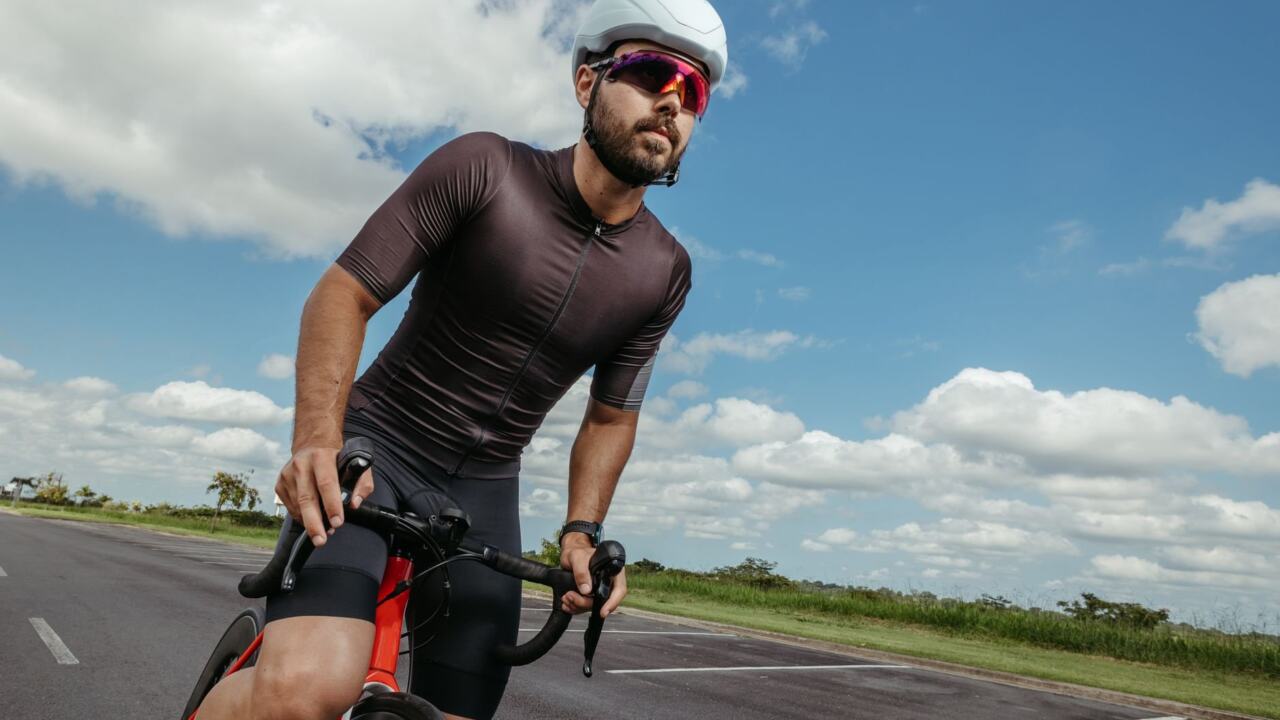
One training guide for runners and cyclists puts interval length anywhere between 30 seconds and 8 minutes. It gives 5 × 3 minutes fast with 2 minutes of recovery as a runner’s example, and 6 × 4 minutes at 90–95% of maximum heart rate as a cyclist’s example.
Match the interval to your sport. Runners can use track or road repeats, and cyclists can use a steady climb or a flat road. Stop a session early if the quality of the efforts falls away, because tired, sloppy intervals add strain without adding stimulus.
Zone 2 and steady endurance work
Steady endurance training, meaning extended continuous moderate-intensity exercise, has long been known to improve VO2 max. For untrained adults, the physiotherapy guide cited above suggests 20–30 min at 60–70% HRmax, 3–5 days/week, as an aerobic base.
Steady work is slower to show results and varies more between people. In a study cited in the PLOS ONE analysis, sedentary adults trained continuously for 20 weeks and gained a mean of about 0.4 L/min, with a standard deviation above 0.2. Even so, 7% gained 0.1 L/min or less. If you fall in that low-response group, a flat result does not mean you failed. It means this approach alone may not suit you, and adding intervals is a reasonable next step.
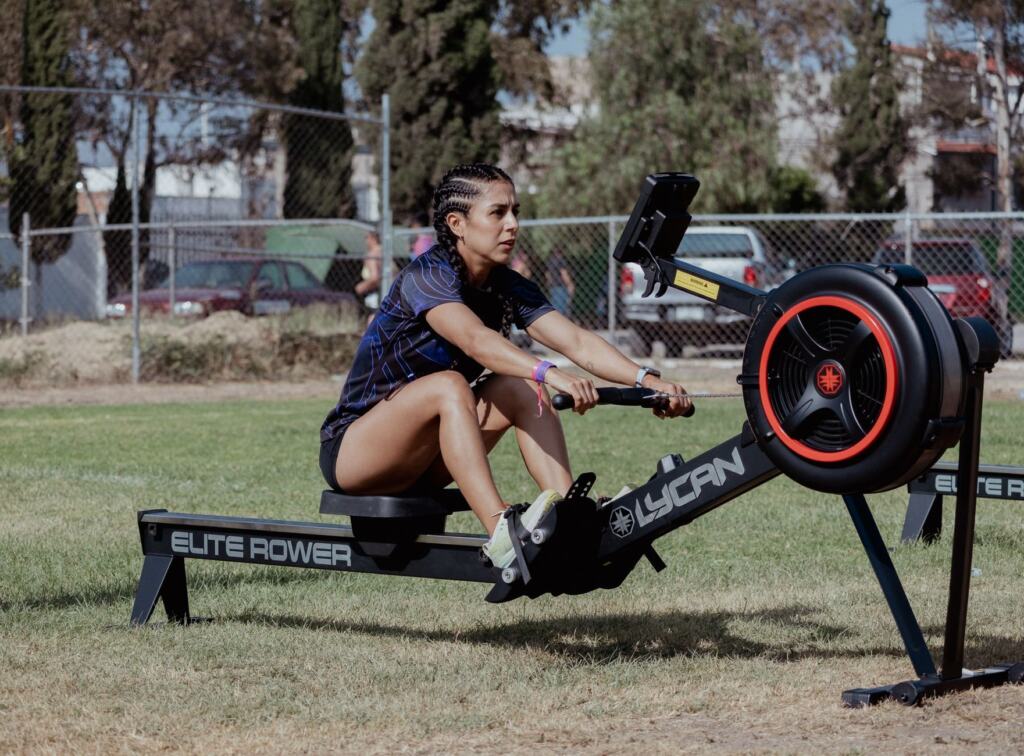
Steady sessions are the easier option to schedule around hard days, since they ask for a pace you can hold rather than a maximal push. Choose whichever mode you can repeat without pain: running, cycling, rowing or swimming all load the aerobic system.
How long VO2 max gains take
Measurable change is possible within weeks, but a meaningful gain usually takes a couple of months of consistent work. The physiotherapy guide reports improvements with as little as 4 weeks of short-interval training. The intensity meta-analysis only included interventions lasting 4 to 8 weeks, and the interval studies in the PLOS ONE analysis ran for 6–13 weeks at a minimum of 3 days per week. The continuous-training study above ran for 20 weeks.
Size matters as much as speed. A coach’s review of how trainable VO2 max is says it can be improved on average by only 5–15%, even with intensive training. The same article describes one coached athlete who moved from 53 to 74 ml/kg/min over three years, about a 40% increase. That is a single case and a long road, not a typical outcome. Plan for a slow, uneven climb and set a review point after a full training block rather than after each session.
Reading your wearable’s VO2 max trend
A wearable shows the outcome of training weeks, not of individual workouts, so match your expectations to the block you are in. During the first weeks of a new interval or endurance block, the line may barely move, because the studies above measured change after weeks of repeated training. A rising estimate after a completed block is the pattern the evidence would predict.
- Rising after a block: Keep the structure that produced it and add load gradually rather than changing everything at once.
- Flat after several consistent weeks: Check that hard sessions are truly hard and that steady sessions are really being done. Individual response varies, so consider switching between interval and continuous work.
- Falling alongside heavy fatigue: Treat it as a cue to ease off and review recovery. Free tools such as those in Best Free Sleep Tracker Apps In 2026: Improve Your Sleep Without Spending A Dime – Bioconnected can show whether rest is part of the picture.
Compare like with like: the same device, worn the same way, over a long enough stretch. To see how your number sits against typical ranges, use VO2 Max Chart For Men: What Your Number Really Means And How To Improve (2026 Guide) – Bioconnected.
Frequently asked questions
How many interval sessions a week are enough?
One training guide says 1–2 sessions per week are generally enough to make progress. The physiotherapy guide says two sessions per week are enough for good improvements with both short and long intervals.
What unit is VO2 max measured in?
Wearables and charts usually give VO2 max in millilitres of oxygen per kilogram of body mass per minute (ml/kg/min). Many training studies report the absolute change in litres per minute instead, so check the unit before comparing numbers.
Why does a higher VO2 max matter for health?
The meta-analysis authors describe VO2 max as the strongest predictor of cardiovascular and all-cause mortality. A 1 MET rise (3.5 ml O2/kg/min) is associated with a 10–25% improvement in survival. This is an association, not proof that raising the number alone changes outcomes.
What VO2 max do elite athletes reach?
According to a coach’s review, world-class males typically score 75–85 ml/kg/min and world-class females 65–75 ml/kg/min. These are reference points for elite endurance athletes, not targets for most people.