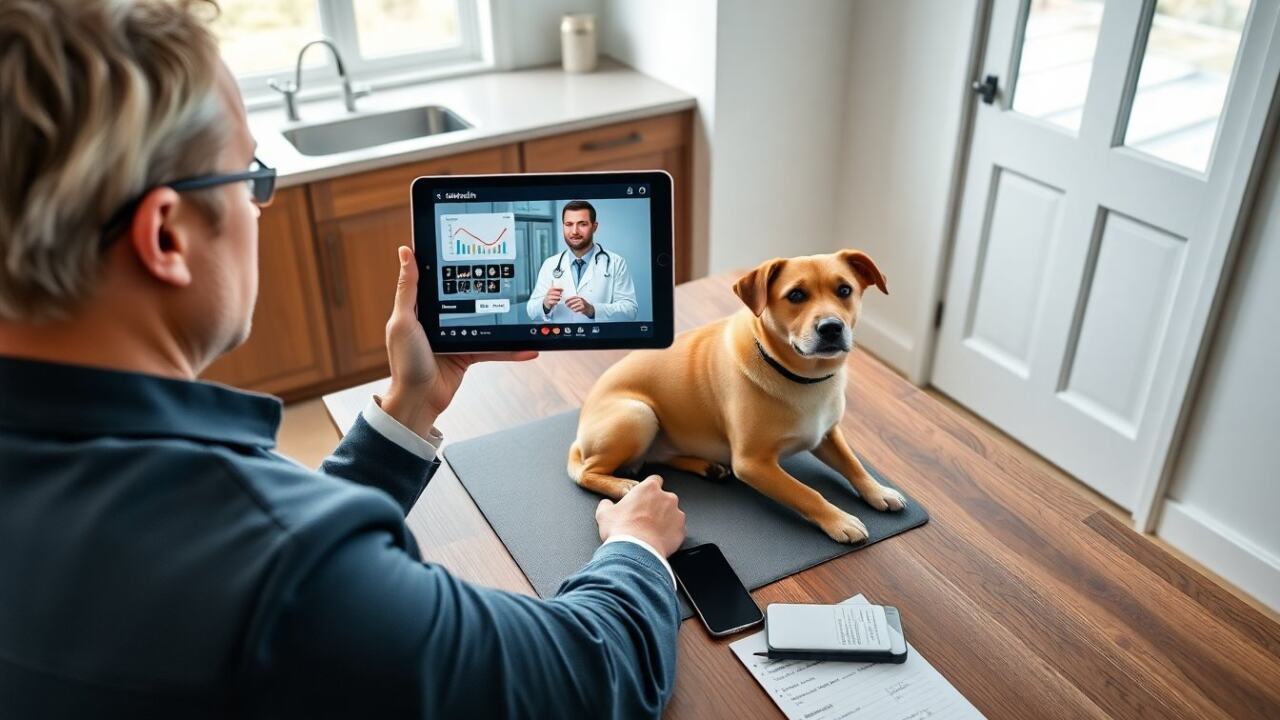
Telehealth for pets lets owners connect with veterinarians by video or chat. The service reduces travel, lowers costs, and speeds care. It lets pet owners get advice quickly and decide if an in‑person exam is needed. This article explains how telehealth for pets works, what it treats, and how owners should prepare for a visit.
Key Takeaways
- Telehealth for pets enables quick, convenient access to veterinarians via video or chat, reducing travel and stress for both pets and owners.
- Using telehealth for pets helps manage non-urgent issues like behavior, minor skin problems, and follow-ups, providing clear guidance and reducing unnecessary clinic visits.
- Telehealth for pets offers cost-effective and faster care, especially useful after hours and for rural pet owners needing specialist access.
- Owners should prepare for telehealth visits by testing technology, gathering photos and medical records, and having detailed symptom information ready.
- Telehealth for pets serves as an important triage tool but cannot replace hands-on exams for emergencies or conditions needing lab work or physical assessment.
- Vet platforms facilitate seamless record keeping and follow-up communication, enhancing care continuity and pet owner confidence.
How Pet Telehealth Works: Platforms, Workflow, And What To Expect
Telehealth for pets runs on apps and clinic portals. Owners download an app or open a clinic link. They create an account, add pet details, and select a visit type. The platform connects them to a licensed veterinarian by video, phone, or secure message. The vet reviews records, asks focused questions, and watches the pet on camera. The vet then diagnoses, suggests tests, prescribes medication when allowed, or schedules an in‑person exam. Payment and records are handled on the platform. The process keeps the exchange short and practical. Owners should expect a clear plan and next steps at the end of the call. The vet may follow up by message or schedule a repeat telehealth visit. Telehealth for pets works best when owners provide good photos and concise history. The service can integrate with in‑clinic records to keep care continuous.
Top Benefits For Pets And Owners: Convenience, Continuity, And Faster Care
Telehealth for pets saves travel time and reduces stress for animals that dislike car rides. Owners can start a visit from home and avoid waiting rooms. The service often costs less than a clinic visit. Telehealth for pets delivers faster access to advice during after‑hours or when clinics run full. The service keeps medical records digital, which helps continuity of care across providers. Telehealth for pets helps monitor chronic conditions with simpler check‑ins and dose adjustments. The service also reduces exposure to contagious animals. For rural owners, telehealth for pets expands access to specialists and to general care. The service improves owner confidence by giving clear next steps and by making follow‑up easier. Overall, telehealth for pets streamlines routine care and saves money on minor issues.
Which Problems Telehealth Can Handle
Telehealth for pets handles many non‑urgent issues quickly. The service helps with behavior questions, minor skin problems, follow‑ups, medication questions, and diet guidance. It also helps triage possible illnesses and decide if immediate care is needed. The vet uses history, photos, and live video to assess the condition. Telehealth for pets gives clear advice for home care or for seeking in‑person care when needed.
Common Conditions Well Suited To Virtual Visits (Behavior, Minor Skin Issues, Follow‑Ups)
Common cases fit telehealth for pets. Behavior questions such as house training, separation anxiety, and mild aggression respond well to remote coaching. Minor skin issues like rashes, hot spots, and flea dermatitis can be assessed with photos and video. Follow‑up visits after surgery or for chronic disease monitoring work well with short video checks and lab result reviews. The vet can adjust medications, recommend topical treatments, and set timers for reassessment. Telehealth for pets gives owners immediate guidance and reduces unnecessary clinic trips for these problems.
Limitations And Red Flags: When Telehealth Isn’t Enough And You Need An Exam Or Emergency Care
Telehealth for pets cannot replace hands‑on exams when the situation needs palpation, auscultation, or lab work. Owners should seek in‑person care for difficulty breathing, collapse, severe bleeding, seizures, ingestion of toxins, and marked pain. The vet will advise in the telehealth visit if immediate transfer to an emergency clinic is required. Telehealth for pets also has prescribing limits in some states and for some drugs. If the condition worsens or if the vet cannot view the problem clearly, the service will direct the owner to an exam. Red flags include rapid decline, high fever, and severe vomiting or diarrhea with dehydration. In those cases, telehealth for pets acts as a triage step, not a final solution.
How To Prepare For A Successful Virtual Vet Visit: Tech, Photos, Questions, And Records
Owners should prepare before a telehealth for pets visit to get the most value. They should test video and audio on their device and charge the battery. They should gather recent photos that show size, color, and the problem area. They should have a list of symptoms with start date, progression, appetite, water intake, and bowel movements. They should collect recent medications, vaccination records, and any lab results. They should secure the pet in a calm spot and have a helper ready if the pet resists. Owners should write focused questions ahead of time and prioritize urgent concerns. During the visit, they should show the pet on camera, follow vet instructions for positioning, and clarify the next steps. After the visit, owners should save the plan and follow up if the pet does not improve. Proper preparation makes telehealth for pets efficient and effective.